
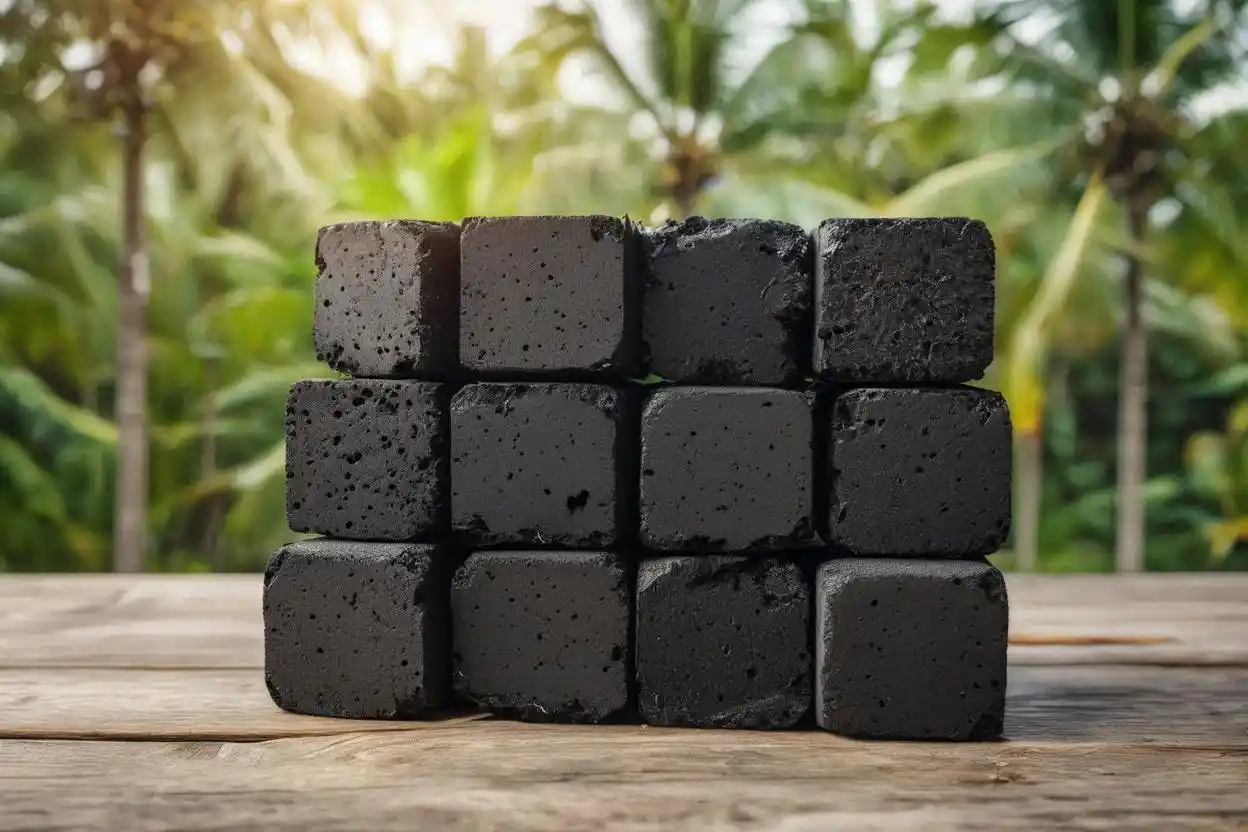
Natural Sustainable Coconut Shell Charcoal Manufacturer Guide

March 16, 2026
The shift toward greener fuel alternatives has reshaped how businesses source energy products. Among the most promising options, coconut shell charcoal combines high performance with genuine environmental responsibility. Therefore, finding a natural sustainable coconut shell charcoal manufacturer has become a priority for importers, distributors, and eco-conscious buyers worldwide.
Why Sustainable Coconut Shell Charcoal Matters
Coconut shell charcoal production starts with agricultural waste, specifically discarded shells that farmers would otherwise burn or discard. This approach eliminates the need to cut down trees, making production far more eco-friendly than traditional wood charcoal. Moreover, it burns hotter, produces less smoke, and leaves minimal ash behind.
As sustainability regulations tighten in Europe and other key markets, buyers increasingly demand verified eco-friendly sourcing. Consequently, choosing a natural sustainable coconut shell charcoal manufacturer helps businesses meet both regulatory and consumer expectations directly.
What Makes a Coconut Shell Charcoal Manufacturer Truly Sustainable
Sustainability goes beyond using coconut shells as raw material. A genuinely sustainable operation manages every production stage responsibly, from sourcing to packaging. However, buyers should look beyond marketing claims and assess real operational practices instead.
A natural sustainable coconut shell charcoal manufacturer typically demonstrates these practices:
- Zero-deforestation sourcing: raw materials come exclusively from coconut agricultural byproducts
- Efficient carbonization: controlled kilns minimize energy waste and reduce harmful emissions
- Eco-friendly packaging: recyclable or biodegradable materials for wrapping and boxing
- Waste management systems: production waste returns to the process or serves other productive uses
- Fair labor practices: safe working conditions for all factory employees
Manufacturers who genuinely adopt these practices build stronger reputations and attract more loyal international buyers over time.
Indonesia Leads Sustainable Coconut Charcoal Manufacturing
Indonesia leads global coconut shell charcoal production due to its vast plantations and well-established manufacturing infrastructure. The country generates millions of coconut shells annually as agricultural byproducts, giving local manufacturers a steady and responsible raw material supply.
Working with a reputable sustainable coconut shell charcoal manufacturer in Indonesia gives buyers competitive pricing, reliable volumes, and strong export experience. Furthermore, many Indonesian producers hold ISO 9001 certifications and pass independent audits that verify their sustainability claims.
How to Evaluate a Sustainable Charcoal Manufacturer
Evaluating sustainability credentials requires a structured approach. Indeed, many suppliers claim eco-friendly practices without documentation to support those claims. Therefore, buyers who verify independently protect their brand and avoid misleading their own customers.
Follow these steps to assess a manufacturer effectively:
- Request sustainability documentation: audit reports, certifications, and sourcing declarations
- Review production process details: understand carbonization methods and waste handling
- Ask for product lab reports: verify ash content, moisture, fixed carbon, and calorific value
- Check export history: confirmed shipments to regulated markets indicate genuine compliance
- Order product samples: assess physical quality and burn performance before committing
For additional industry insights, majalahdigicom.com offers informative articles covering manufacturing, sustainability, and global trade topics.
Conclusion
Choosing a natural sustainable coconut shell charcoal manufacturer delivers benefits that extend well beyond product quality. Buyers who partner with responsible producers strengthen their brand value, meet growing regulatory demands, and contribute meaningfully to environmental sustainability. As a result, Indonesia remains one of the strongest sourcing destinations globally, offering both production capability and genuine eco-friendly credentials.
By applying the evaluation steps in this guide, buyers can make confident and well-informed sourcing decisions. Ultimately, a manufacturer who prioritizes sustainability becomes a long-term partner committed to responsible business that benefits both people and the planet.
